Featured
Table of Contents
This case study shows how cohesive UX modifications across a website produce compounding outcomes. Roo & You, a home goods brand name, was wanting to scale their advertising without sacrificing performance. Oddit helped enhance the on-site experience so that increased traffic would really convert. By enhancing page structure, item discussion, and the overall user flow, the brand name accomplished a 40% increase in conversion rate and a 25% jump in brand-new customers, even while doubling their advertisement spend.
Why Your CRO Funnel Underperforms Modern MarketsBokksu, a Japanese snack subscription marketplace, wished to increase the worth of each consumer interaction. Oddit's audit determined ways to enhance item discovery, cross-selling opportunities, and the total surfing experience. The changes resulted in a 36% boost in revenue per client and a 40% boost in conversion rate. For marketplace and membership brand names, this case research study highlights how UX improvements can drive both acquisition and life time value all at once.
They also show the type of insight-driven improvements that Oddit assists uncover in item audits. The most motivating UX case research study examples do not just highlight good design. They expose constant themes and principles that top-performing items follow, no matter the market. Here are the wider takeaways behind the success of these examples: Design that puts users initially provides more intuitive and significant experiences.
Preparing Your Online Platform for AEO
This principle ensures style solutions attend to real-world needs, not simply stakeholder preferences. Throughout these examples, clear communication is non-negotiable. Dropbox and Duolingo succeed because their interfaces lower confusion through design, language, and structure. When users comprehend what to do at a glance, they engage much faster and with higher self-confidence. Great UX counts on patterns users can quickly recognize and trust.
Predictability supports usability, especially when users are under pressure or on the move. No UX is ever truly ended up. Google Maps and Spotify continue improving their experiences based on real-world usage and feedback. Ongoing iteration makes sure that the product progresses with the user, rather than falling back. These UX case research study examples aren't just indicated to be appreciated.
From mindset to approach, here's what stands out when you take a closer look: Every case research study demonstrates how great design solves an issue. It's not about decor or patterns. Instead, it's about eliminating friction, guiding habits, and creating experiences that actually work for users. Informative research is at the heart of each example, but so is empathy.
When you balance both, your style becomes more human and more effective. Over-complication harms use. Products like Duolingo and Dropbox show that simplifying tasks, not simply user interfaces, is what drives long-term engagement. Clear goals, tidy layouts, and focused user flows are constant throughout the board. A number of these brands operate worldwide or across diverse devices.
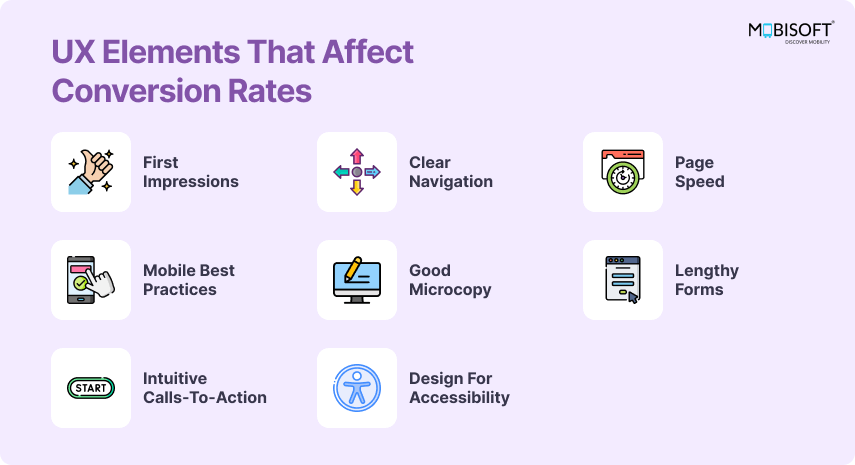
What Drives Effective UX Design?
That's an essential takeaway: design systems require to grow with the product, not slow it down. A few of the most effective modifications displayed in these case studies were subtle. A clearer CTA, a rearranged control panel, a reworded microcopy. Little shifts, when aligned with user requirements, typically drive the most significant results, something we have actually seen time and once again at Oddit.
These UX case study examples show how thoughtful research, clear communication, and user-centered thinking can transform a product. Whether the objective is to build trust, streamline complexity, or scale throughout platforms, strong UX constantly starts with objective. At Oddit, our company believe in the power of clearness. Through our audits, we assist brands discover missed opportunities, improve their interfaces, and produce experiences that users really enjoy.
A UX case study example goes deeper than just showing a completed style. Consisting of user data strengthens a UX case study by supporting design choices with evidence.
Even little jobs like redesigns or school assignments can be turned into compelling case research studies by clearly revealing the analytical procedure. Popular tools include Concept, Behance, Medium, or your own site.
While not strictly needed, they significantly improve the clarity of your story. Businesses can find out how style effects metrics, user fulfillment, and brand understanding. A great case study connects style choices to real organization worth.
How Optimizing Conversions Accelerates Success
Effective journey mapping includes defining objectives, picking focused user segments, picking the best map type, and ...
The term "case study" sounds a little boring, doesn't itDoes not What if, rather, it were called a "style story"? Approach your UX/UI design case research studies like stories, not just a list of tasks you completed.
Driving Maximum ROI With Advanced A/B Testing
You'll find yourself preparing to interview for your dream task in no time. Due dates change, predict goals move, and new findings can basically alter style requirements. and arrange your case research studies. In this video, Stephen Gay, UX Style Lead for Google One, describes why you need to consist of story in your UX/UI design portfolio: When you arrange your experience into a significant series of occasions, employers will comprehend the course you took to the end product.
Combine structure with storytelling elements like emotion and dispute, and your style stories will come to life. Before you begin weaving tales, it is necessary to that keeps you on track as you write. Your case study structure has three main goals: To and your options. To as you direct them through your style jobs.
The very best method to accomplish this is to such as design thinking, plus a hook and conclusion. Morgane Peng, Managing Director and Head of Design at Societe Generale CIB, explains what to include in your case research study in this video: A normal structure for a case research study may be: The hookResearchSketches and wireframingPrototyping and iterationOutcomes and lessons learnedEach area need to consist of a mix of text and media (images, video, interactive elements, and so on).
Why Your CRO Funnel Underperforms Modern MarketsThe phases of your style procedure work as a perfect structure for your case research study. They're universal and relatable, so busy hiring supervisors can instantly comprehend what they're reading. Your narrative can then stream through this structure as you set up your story with exposition, present and solve disputes, and reach the climax.

Latest Posts
Unlocking ROI Through Brand Management
Top PR Trends Every Business Must Follow
The Impact of AI in 2026 Brand Success